
Spiking Architectures for Unconventional Sensing
SpikeSense Labs is repurposing brain-inspired architectures for sustainable and ubiquitous sensing. We design components and systems using the intrinsic analog behaviors of advanced materials, combined with spiking architectures, to deliver simple, effective sensing for a broad range of low-power applications.

Neuromorphic Architectures
Leveraging the power and behavior of leaky-integrate-and-fire neurons beyond processing to enable self-powered and novel sensing approaches
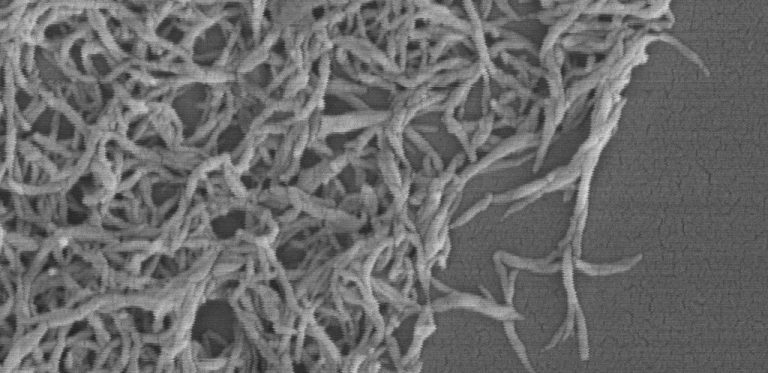
Advanced Functional Materials
Utilizing the unique characteristics of emerging materials to extend functionality, often using the same behaviors researchers strive to eliminate
Simple, Self-Powered Sensing
Creating sensors that both monitor and are powered by the same signal, respond more effectively to the environment, and reduce implementation costs.
Combing Neuromorphic Electronics with Emerging Materials
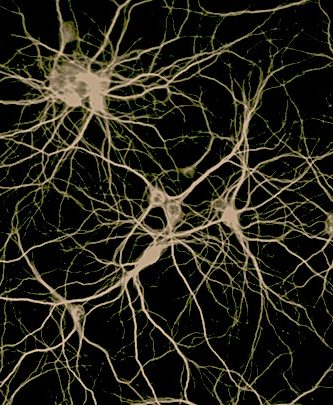
Neurons
Leaky-integrate-and-fire neurons accumulate and release energy according to controlled parameters, enabling extended collection periods and operation at low instantaneous power. The output of a neuron can then be used to signal and power downstream operations.
Sparsity
For many sensing applications, only sparse information is needed, such as temperature or moisture levels, leaving time to store up energy for execution of measurements
Emerging Materials
Emerging materials for energy harvesting, sensing and other applications often have non-traditional responses that can be leveraged for increased performance and reduced power operation.
Slow can be better
Slow responses or reactions to stimuli can often be incompatible with digital systems but strengths for analog processing
Battery-Free Perception for a Smarter World
Artificial neurons have applications well beyond processing and can be used as fundamental elements of electrical systems and for quantitative measurements

Event-Based Imaging
Event-based pixels provide unique behaviors that can be leveraged to image beyond RGB visible light. Their high speed can provide a platform to capture scene information when coupled with external stimuli that frame-based cameras aren't able to effectively.
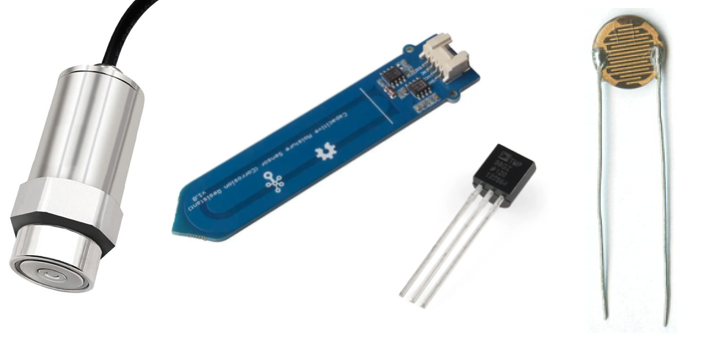
Home Monitoring
Imagine purchasing a set of self-powered ‘stickers’ that you place around your home. These monitor temperature, humidity, and other signals—providing a more complete picture of your environment—and require no maintenance.

House Plant Health
House-plant pots can be embedded with self-powered monitors that alert users when plants need water, help determine when they are properly watered, and even monitor whether they are receiving enough light—all without wires, batteries, or complex interfaces.

Distributed Sensing
SpikeSense's technology can extract the necessary energy out of the environment for any sparse reporting requirement, where information is updated based on the amount of power available. This can be applied to agriculture, forestry, warehousing and other large scale areas where only periodic updates are needed.
Signal as Energy Source
The energy in signals being measured can also be used to power and transmit information
Most of the signals that we use to understand our environment and make decisions are small packets or continous streams of low level energy, such as vibration, light, temperature, etc. Proper design of these systems can measure and report these signals while also using the signal itself as a power source to complete these processes. Under many situations, where continuous updates are not necessary these sensors can provide long-term battery free operation to enhance situational awareness of users or to inform AI systems making decisions.
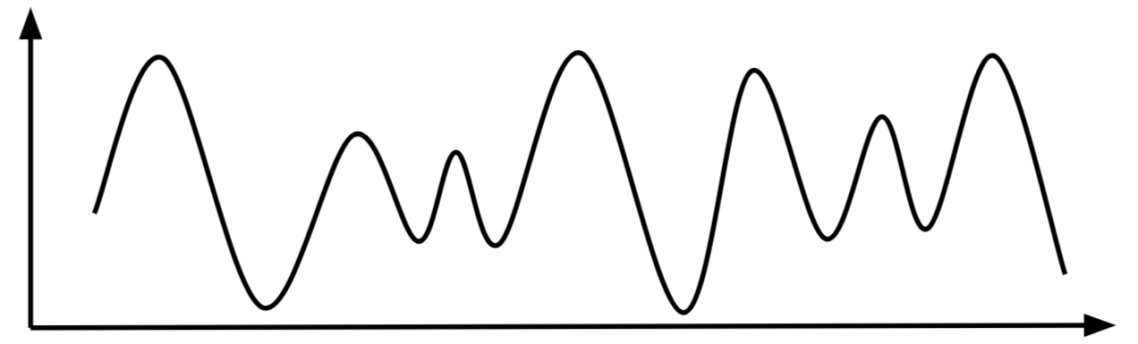
FFor many sensor applications, signals change slowly and opportunities for energy harvesting are limited. By using a spiking architecture such as integrate-and-fire, the system can gradually build up energy while simultaneously measuring the incoming signal. This approach supports analog configurations where computational materials and other more sustainable elements can be used in the design.
Multi-Function Event Imaging
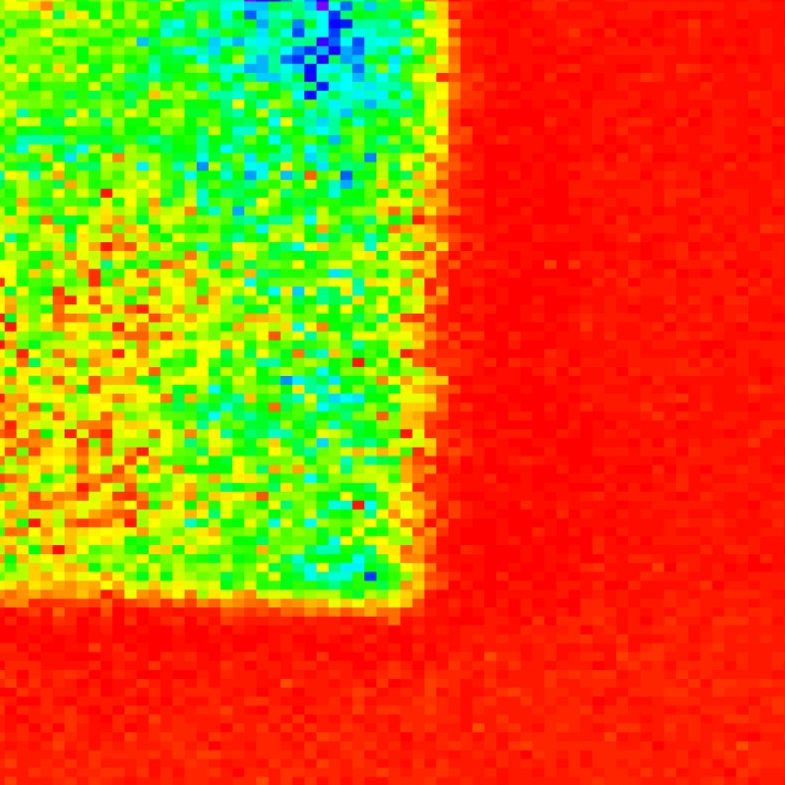
Spiking architectures, such as event sensors allow for a single camera to provide a large set of functionality, packing multiple functions into a single compact unit. For instance, event cameras can be configured to provide multi-band images, polarization, object tracking, and positional information within a single compact module. These can be packaged as compact camera modules (< 1 cm) for integration with larger scale systems such as robotics, drones or integrated with existing monitoring equipment. When application needs don't require high speed acquistion of all data at once, these types of configurations can provide low power, inexpensive paths to multifunctional use that is inexpensive and low data.

Who We Are
Deep experience across electronic devices, emerging technology and functional materials
SpikeSense Labs was founded in 2024 to develop and democratize neuromorphic sensing technologies. The company’s mission is to leverage neuromorphic architectures and emerging materials to create accessible, low-cost sensing solutions for homes, small businesses, farms, and researchers.
The company’s interdisciplinary foundation across optics, electronics, and neuromorphic computing directly supports our mission to advance foundational technologies that broaden participation in high-impact sensing and instrumentation.
Collaborate with us!
SpikeSense is actively looking for partnerships with researchers, startups and organizations with sensing needs or sensing technology that can be strengthed by our approach. We are open to no cost partnerships, SBIR subcontracting and other avenues to work together. Reach out and let us know what you are interested in and we'll get back to you quickly.